
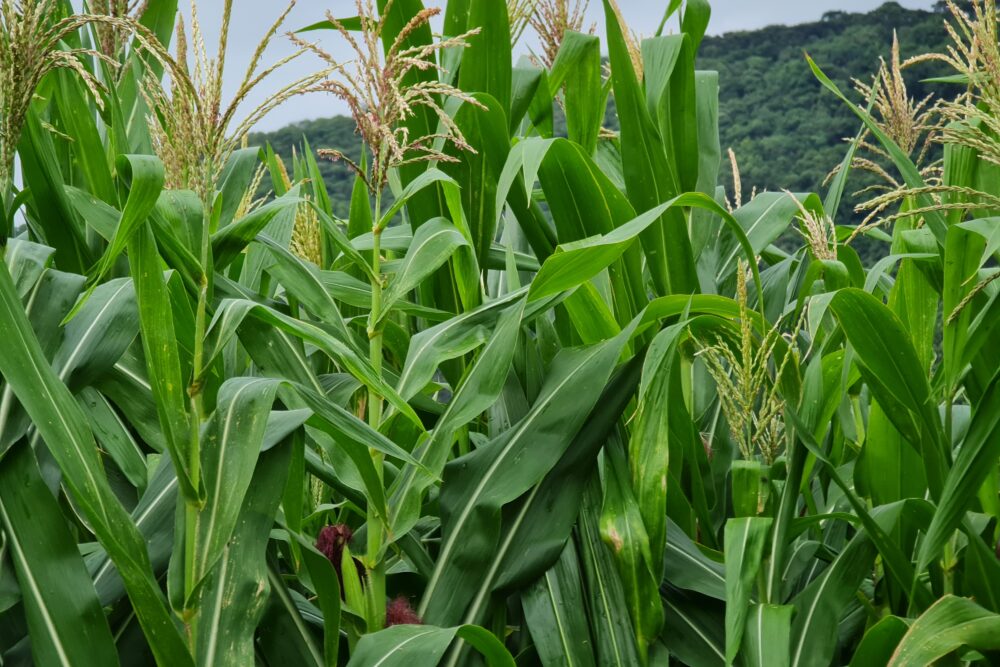
 © Gilson Mekelburg/Adobe Stock
 Developed jointly by HFFA Research and The Andersons Centre, this report examines the underestimated threat posed by mycotoxins in European food and feed systems and calls for more proactive, science-based policy interventions.
Mycotoxins—naturally occurring toxins produced by fungi—consistently rank among the top three causes of food and feed safety alerts in the EU. Despite their prevalence and health risks, public concern remains low due to the misconception that natural contaminants are less dangerous. Meanwhile, climate change and other agricultural stressors are increasing the likelihood of mycotoxin contamination, particularly in staple crops such as maize and wheat.
Through expert analysis and collaboration between agricultural economists and food safety specialists, the report investigates the current and projected impacts of mycotoxins on food safety, farm management, and economic viability. It highlights the need for policy frameworks that address this emerging challenge with evidence-based tools.
Climate change is expected to intensify the risk of mycotoxin contamination in EU crops.
Mycotoxins directly impact farm profitability by altering crop management practices and reducing quality and yield.
The broader societal costs include decreased agricultural productivity, compromised food safety, and increased public health risks.
Addressing the mycotoxin threat requires better awareness, monitoring, and targeted regulations.
