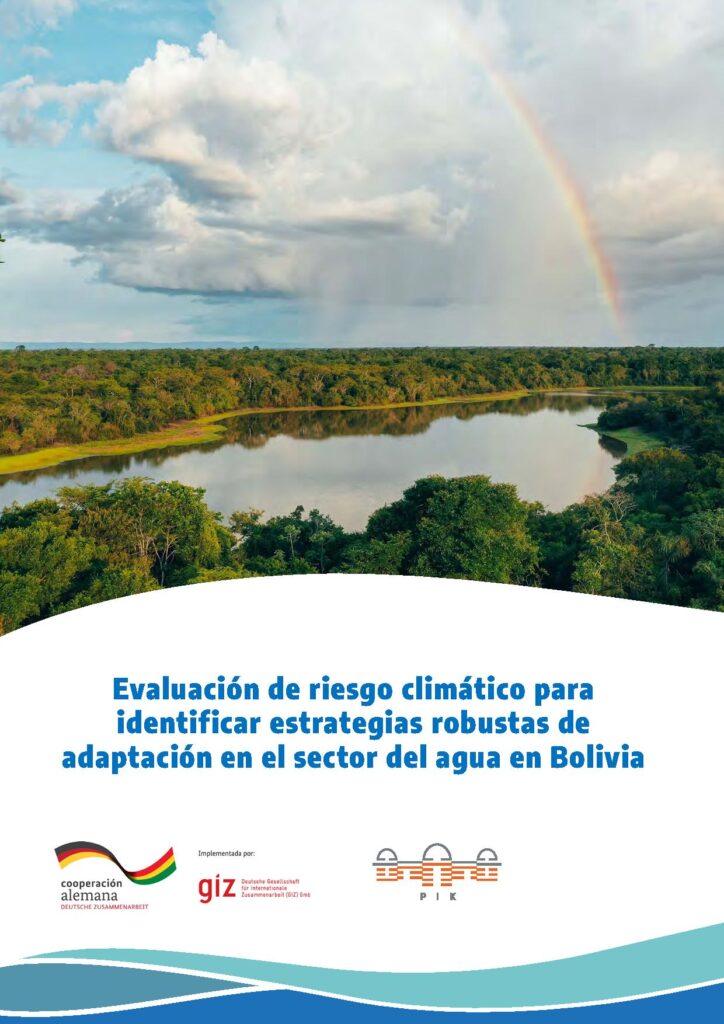
 © Matyas Rehak/Adobe Stock
 Developed with the Potsdam Institute for Climate Impact Research (PIK) for Gesellschaft für Internationale Zusammenarbeit (GIZ) GmbH Bolivia, this project supported decision-makers in Bolivia in prioritizing climate adaptation investments in the water and agriculture sectors.
Bolivia faces increasing climate risks, including shifts in temperature, precipitation, and crop productivity. To support national adaptation planning, this project combines climate impact modeling with the evaluation of concrete adaptation options, aiming to guide investments by government and development partners.
Focusing on the climate action dimension of the project, our team conducted a cost-benefit analysis of five adaptation measures across the departments of Tarija and Santa Cruz. These include:
Switching from maize to grape cultivation
Improved water dam operation and management
Introducing supplementary irrigation systems
Forest restoration
Enhancing grass and feed quality for cattle
These measures were assessed for their cost-effectiveness in reducing climate-related risks and supporting sustainable agricultural development.
Our results highlight which strategies offer the best returns on investment under climate stress, enabling targeted policy and funding decisions. This contributes to a prioritized adaptation roadmap for the water and agriculture sectors in Bolivia.