
 © michalknitl/Adobe Stock
 Developed with the Leibniz Institute of Agricultural Development in Transition Economies (IAMO) for GIZ’s TRIGGER program, this project supports evidence-based agricultural policy-making in Tajikistan through the creation of a customized economic model.
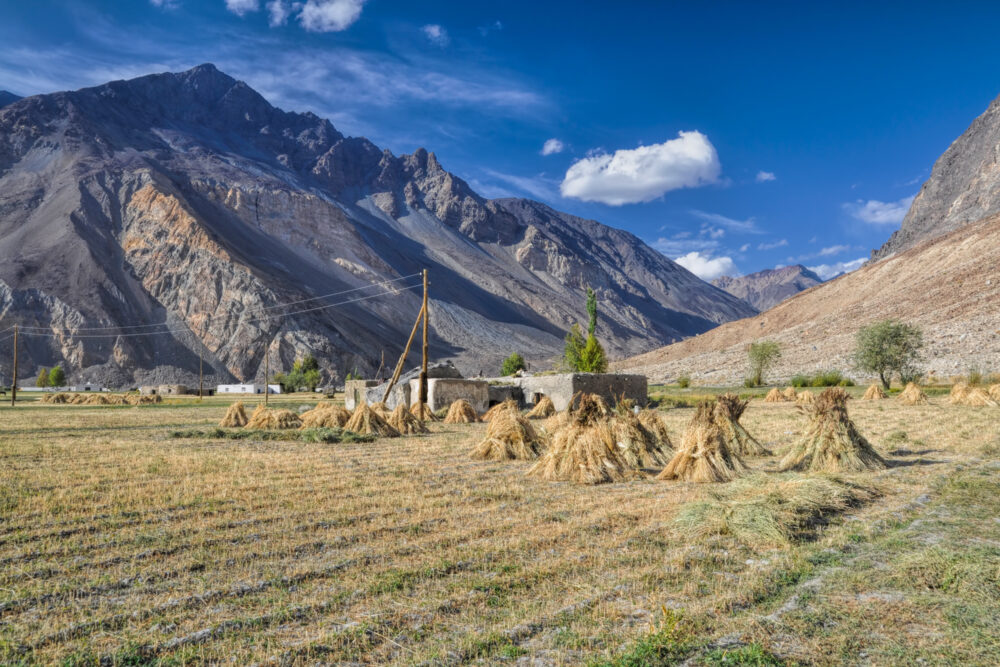
Agriculture is central to Tajikistan’s economy, making its development a national priority. To inform policy that enhances rural economic resilience, the GIZ-led TRIGGER program sought tools to better understand agricultural market dynamics. Tajik ministries lacked a sector-specific modelling framework to guide decisions on trade, production, and rural development.
HFFA Research, in partnership with IAMO, developed a tailored partial equilibrium multi-market model of Tajikistan’s agricultural sector. The model incorporates twelve key agricultural commodities and trade relations with the country’s six main partners. It was designed for use by the Ministry of Economic Development and Trade and the Ministry of Agriculture.
A dedicated training workshop in Dushanbe equipped ministry officials and GIZ staff with the skills to operate the model and integrate it into their policy-making processes, ensuring long-term local capacity.
A country-specific economic model was successfully developed and transferred.
The model provides granular insight into market dynamics, trade flows, and commodity trends.
Training facilitated direct use of the model by Tajik government officials, supporting evidence-based planning.
The initiative strengthens institutional capacity to pursue inclusive and sustainable rural development.