
 © asnidamarwani/Adobe Stock
 WWF Germany engaged HFFA Research GmbH to explore how climate-friendly consumption patterns could reduce reliance on imported oilseeds and protein crops, while mitigating their global environmental and social impacts.
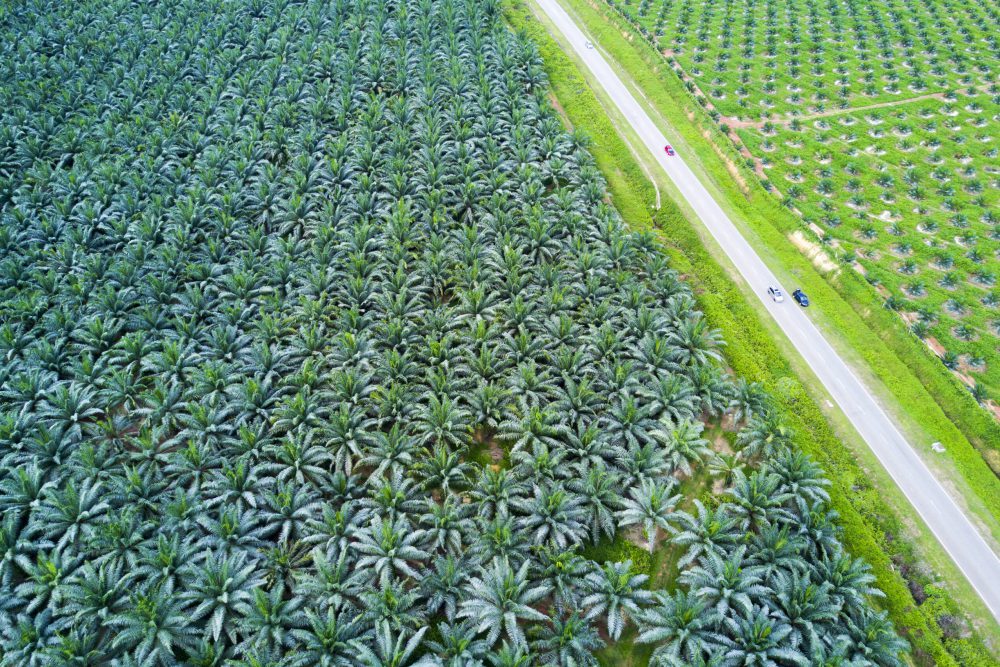
Many everyday products contain oil or protein crops such as soya, oil palm, sunflower, rapeseed, and coconut—most of which are not cultivated in Germany in significant volumes. Their production abroad is often linked to deforestation, biodiversity loss, land conflicts, and labor rights concerns. As global demand continues to grow, so do these adverse impacts. WWF Germany sought to better understand how climate protection measures—especially in food consumption—might reduce Germany’s import dependency and lessen environmental pressures in producing countries.
HFFA Research GmbH conducted a scenario-based analysis to assess the effects of different climate action strategies on demand for imported oil and protein crops. The study began with the development of crop-specific factsheets summarizing key characteristics and global sourcing dynamics. It then modeled various scenarios—including reduced meat consumption following the Planetary Health Diet, reductions in food waste, and phasing out palm oil in biofuels—to estimate shifts in global land use linked to German consumption. The study also reviewed policy options, local crop substitution potential, and feasibility considerations for expanding domestic oilseed production.
The analysis demonstrated that dietary shifts and targeted policy measures could significantly reduce the global land footprint of German consumption. Reducing meat intake and eliminating palm oil use in fuels showed especially strong potential to lower environmental and social pressures abroad. The findings underline the power of consumption choices in shaping sustainable agricultural landscapes worldwide.