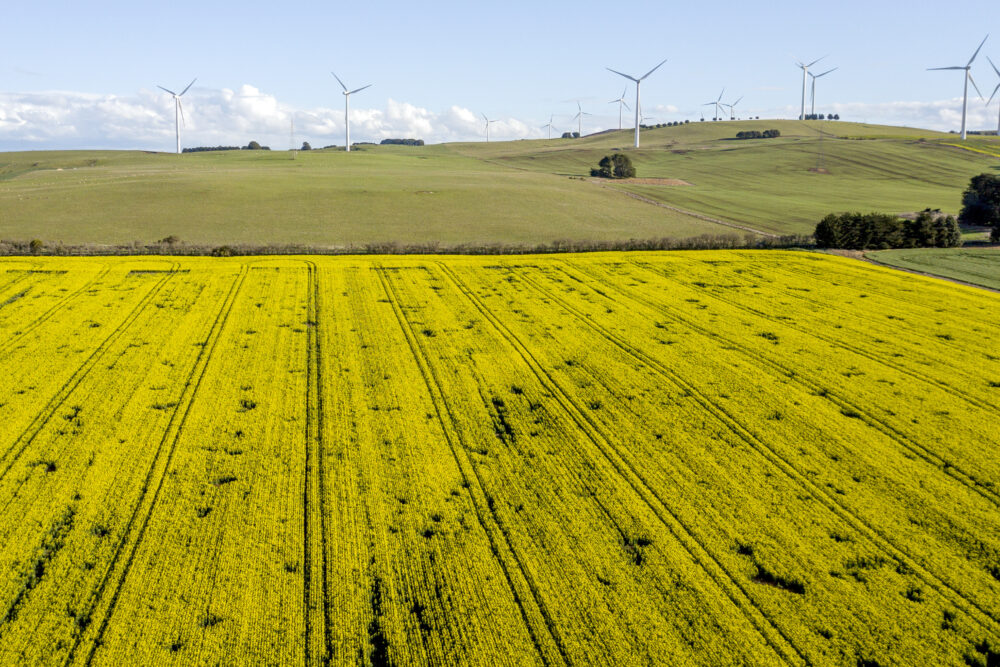
 © Midkhat Izmaylov/Adobe Stock
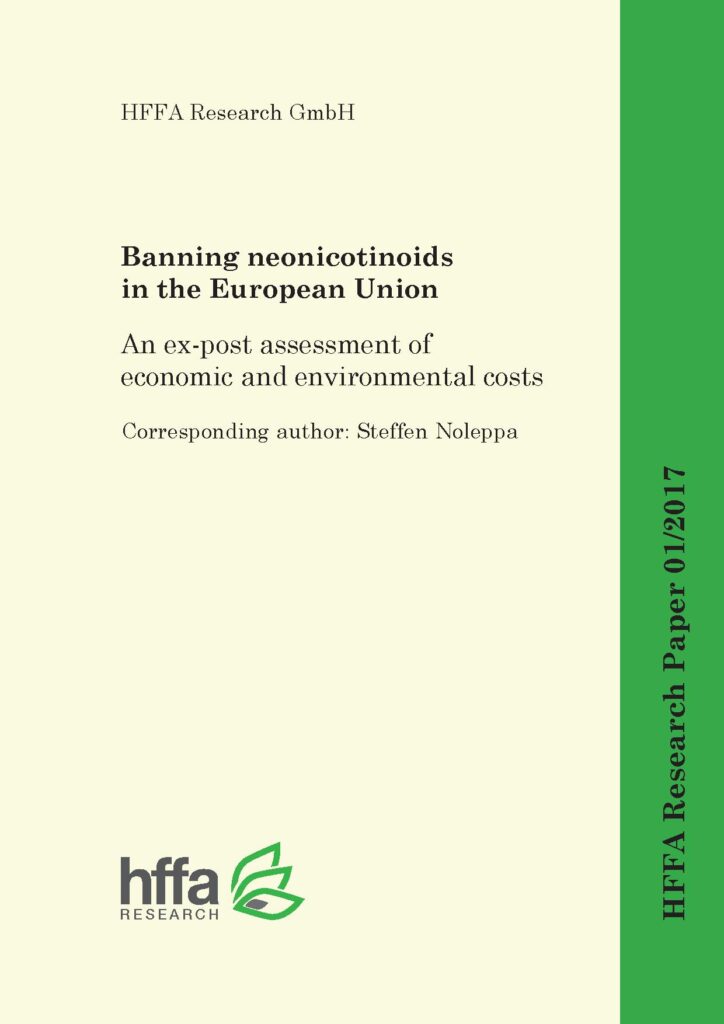
 Authored by Steffen Noleppa for HFFA Research, this study provides a data-driven analysis of the economic and environmental consequences of the European Union’s 2013 ban on neonicotinoid-treated seeds in bee-attractive crops, using oilseed rape (OSR) as a case study.
The EU-wide restriction on neonicotinoids was introduced to mitigate risks to pollinators, particularly wild and honeybees. However, the broader agricultural and environmental impacts of this policy remained insufficiently quantified. This ex-post assessment was undertaken in anticipation of the European Commission’s planned scientific review, aiming to inform the discussion with evidence on trade-offs and unintended effects.
The study combines a meta-analysis of peer-reviewed research with economic modelling and scenario-based forecasting to estimate the impacts of the ban on yields, product quality, production costs, and land use. It also evaluates the implications of increased reliance on alternative insecticides such as pyrethroids.
The ban has led to an average 4% reduction in OSR yields, with peak losses up to 20% in some cases.
Quality losses affected 6.3% of harvested volume, causing significant price penalties (EUR 36.50/ton).
The total EU-wide production loss amounts to approximately 912,000 tons of OSR annually—valued at around EUR 400 million.
Increased use of alternative pesticides raises production costs by an estimated EUR 120 million per year.
Combined annual economic losses exceed EUR 510 million.
Environmentally, reduced productivity could lead to the conversion of over 530,000 hectares of global land, with implications for biodiversity and greenhouse gas emissions.
While the ban may yield targeted environmental benefits, the study underscores the need to weigh these against systemic agricultural and ecological costs.