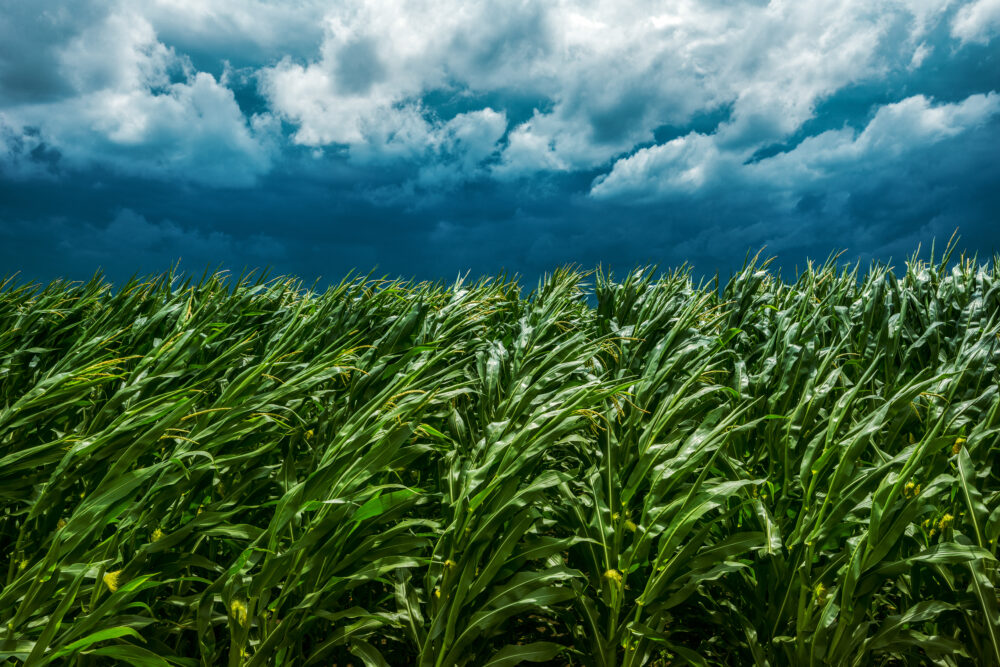
 © Bits and Splits/Adobe Stock
 Developed by HFFA Research in collaboration with the Potsdam Institute for Climate Impact Research (PIK), this study examines current and projected climate change impacts on arable farming across Europe.
As climate change accelerates, European agriculture faces mounting challenges from rising temperatures, shifting precipitation patterns, and increasing water scarcity. Recent summers marked by extreme droughts and heatwaves underscore the urgent need to understand how these changes affect crop production. This research responds to that need by evaluating observed and anticipated impacts of climate change on European farming systems.
Authored by researchers from HFFA Research and PIK, the study synthesizes empirical data and model-based projections to assess climate-related changes in crop suitability, yields, phenology, and pest pressures. It draws on long-term climate trends and agricultural indicators to document current manifestations of climate change and simulate future scenarios. The focus is on arable crops across diverse European agro-ecological zones.
Rising temperatures and altered rainfall patterns are already reducing crop yields in many regions.
Climate-induced shifts in crop suitability are leading to northward expansion of maize cultivation.
Earlier flowering and longer growing seasons indicate clear changes in crop development timelines.
Emerging threats from altered distributions of weeds, pests, and diseases pose added risks.
Continued climate change will likely amplify these effects, necessitating adaptive strategies and policy responses.