 © Apisit/Adobe Stock
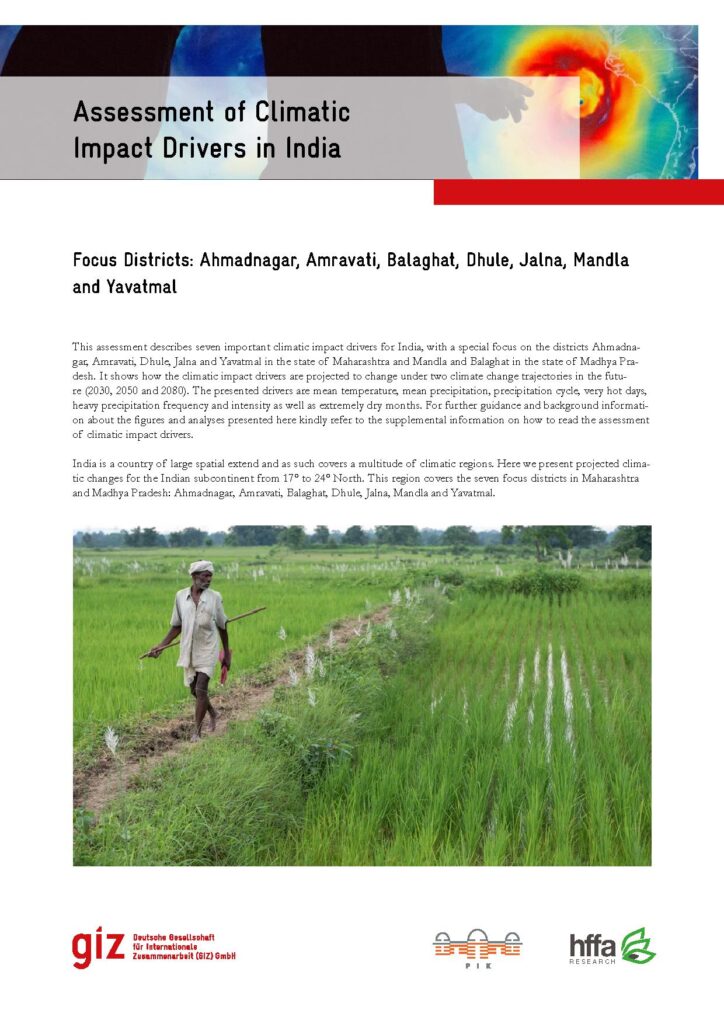
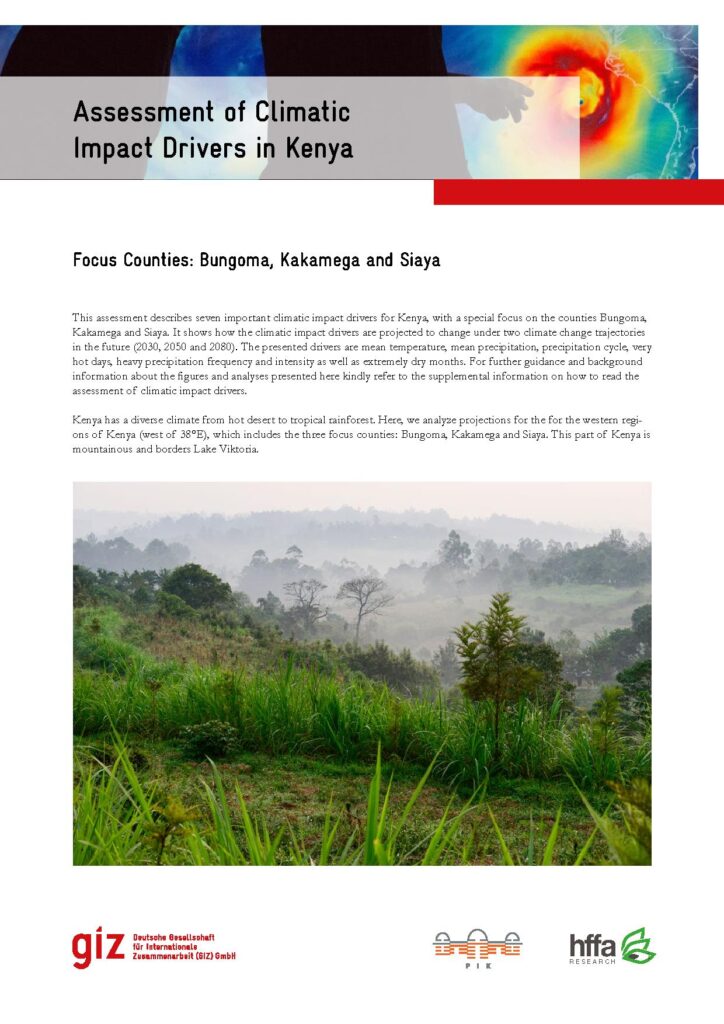
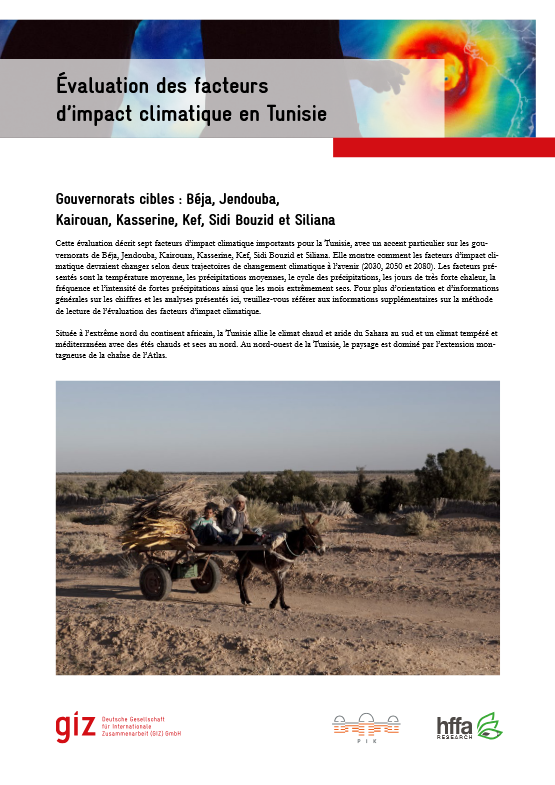
 Commissioned by GIZ under the ProSoil project, this initiative strengthens climate change adaptation monitoring for soil rehabilitation efforts across seven countries, in collaboration with the Potsdam Institute for Climate Impact Research (PIK).
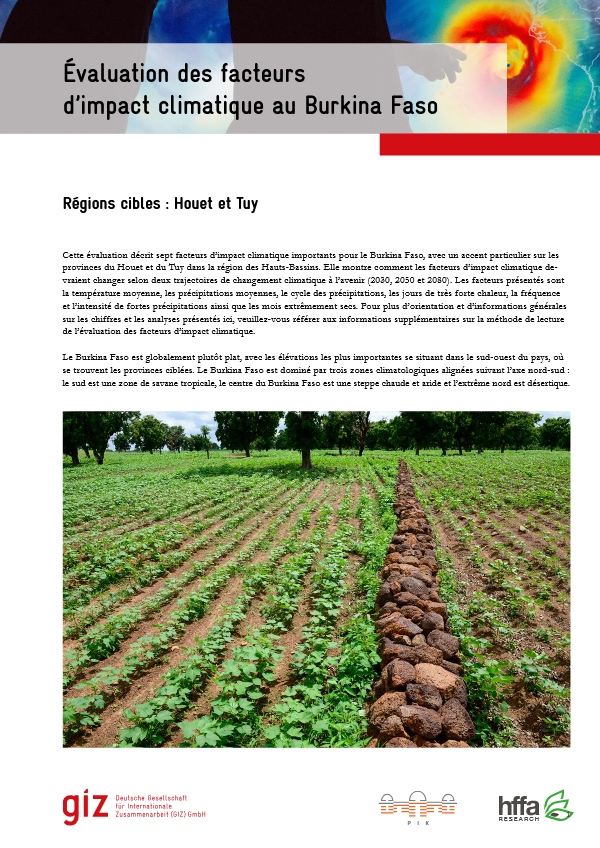
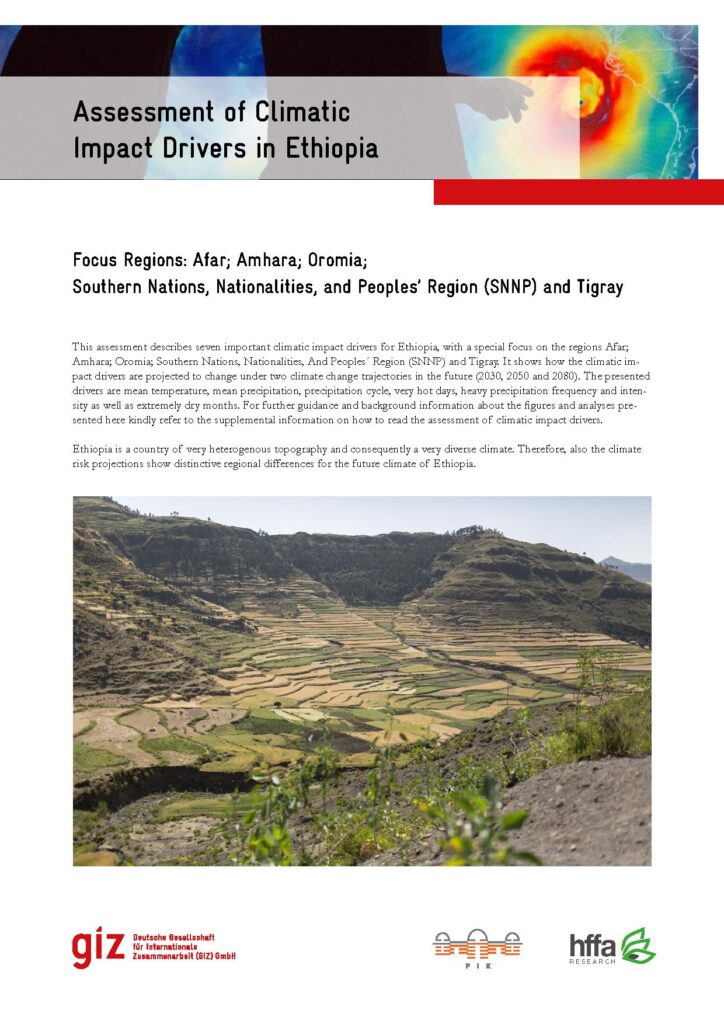
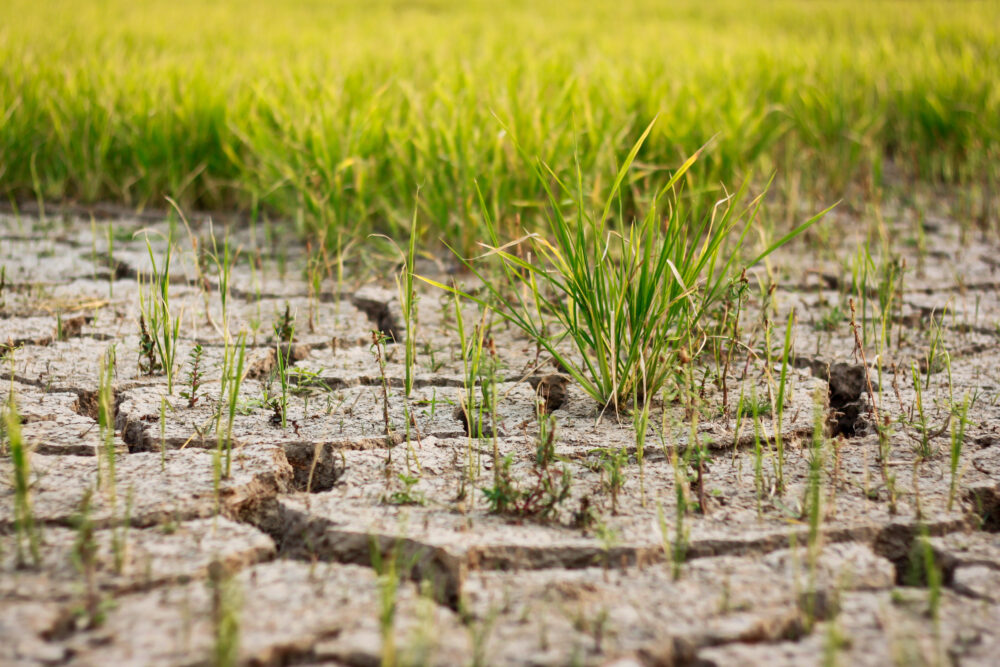
Soil degradation, driven by overexploitation and climate change, threatens food security, climate stability, and the livelihoods of millions—particularly smallholder farmers in the Global South. As one of the planet’s largest carbon sinks, soils are critical for both agricultural productivity and climate mitigation. However, once degraded, soils recover only slowly, making timely and effective soil protection strategies essential.
Since 2014, GIZ’s ProSoil project has promoted sustainable land use and institutionalized soil protection measures in seven countries. To enhance the project’s effectiveness, robust monitoring and evaluation of climate adaptation outcomes is crucial.
From 2020 to 2022, HFFA Research supported GIZ in refining the ProSoil climate monitoring system, focusing specifically on tracking adaptation outcomes. Our contributions included:
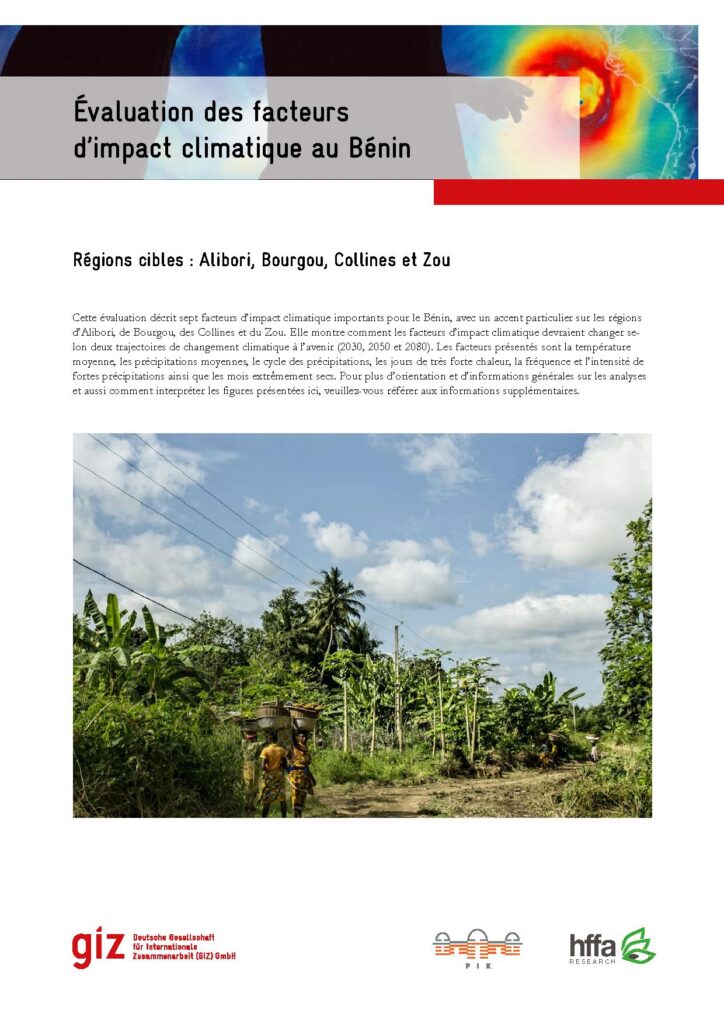
Identifying country-specific climate impact drivers
Supporting implementation and data analysis of the adaptation monitoring system
Collaborating with the Potsdam Institute for Climate Impact Research to integrate climate modelling
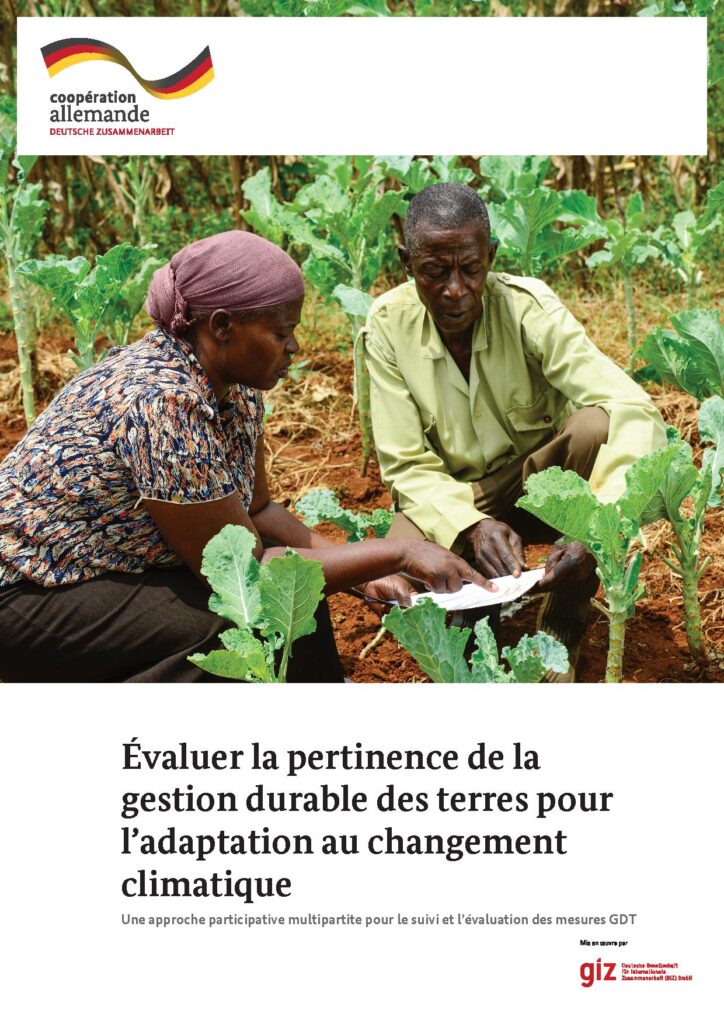
Engaging local stakeholders through participatory workshops and focus groups
Training partners in multi-stakeholder consultation methods
Developing practical guidance materials on participatory survey techniques
This participatory approach ensured local relevance and strengthened the capacity of country teams to assess and report adaptation results independently.
The refined monitoring system now enables GIZ and its partners to better quantify how soil rehabilitation contributes to climate resilience at the local level. It also supports evidence-based policy dialogue and resource planning for sustainable soil management.