 © asnidamarwani/Adobe Stock
 HFFA Research GmbH was subcontracted by the Potsdam Institute for Climate Impact Research (PIK) to conduct economic assessments of climate adaptation measures in the agricultural sectors of seven Sub-Saharan African countries in the AGRICA project on behalf of the German Federal Ministry for Economic Cooperation and Development (BMZ) and in cooperation with Deutsche Gesellschaft für Internationale Zusammenarbeit (GIZ).
Context & Challenge
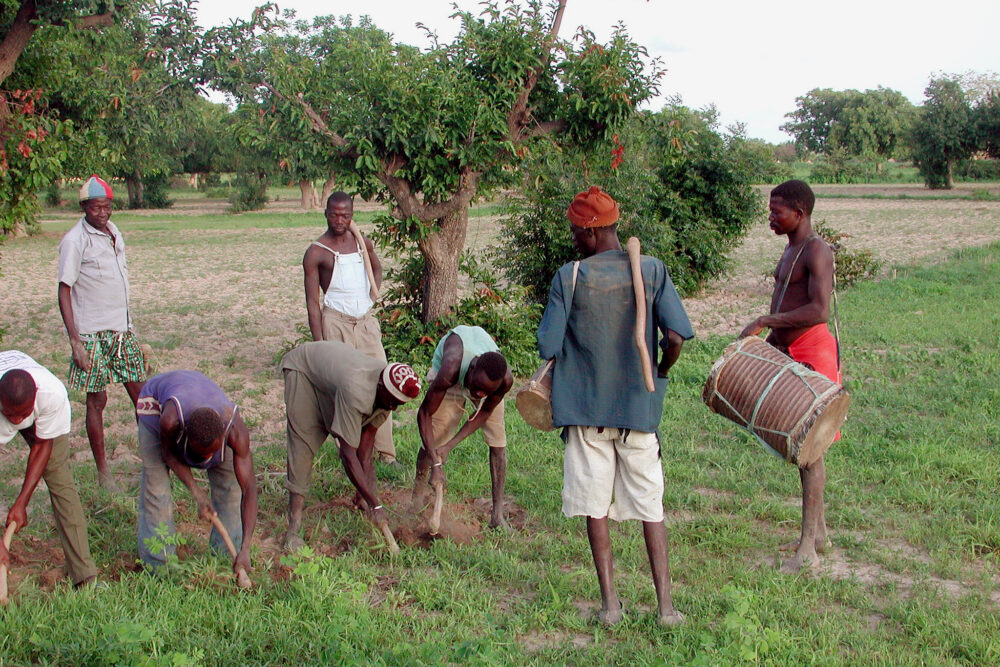
Sub-Saharan Africa’s agricultural sector faces growing climate risks, including yield variability and heightened vulnerability of rural livelihoods. In this context, the AGRICA project aimed to provide governments and stakeholders with actionable insights on projected climate impacts and to evaluate locally selected adaptation strategies for the agricultural sector. Effective planning requires robust data on both risks and the economic viability of response measures.
Our Approach
As a subcontracted partner to PIK, HFFA Research GmbH conducted cost-benefit analyses (CBAs) for climate adaptation options tailored to each country context. These assessments were integrated into broader climate risk analyses that included crop yield modeling under future climate scenarios and stakeholder-led identification of adaptation options. HFFA’s CBAs evaluated the cost-effectiveness of each measure, helping to prioritize investments and improve access to international climate finance.
Key Insights
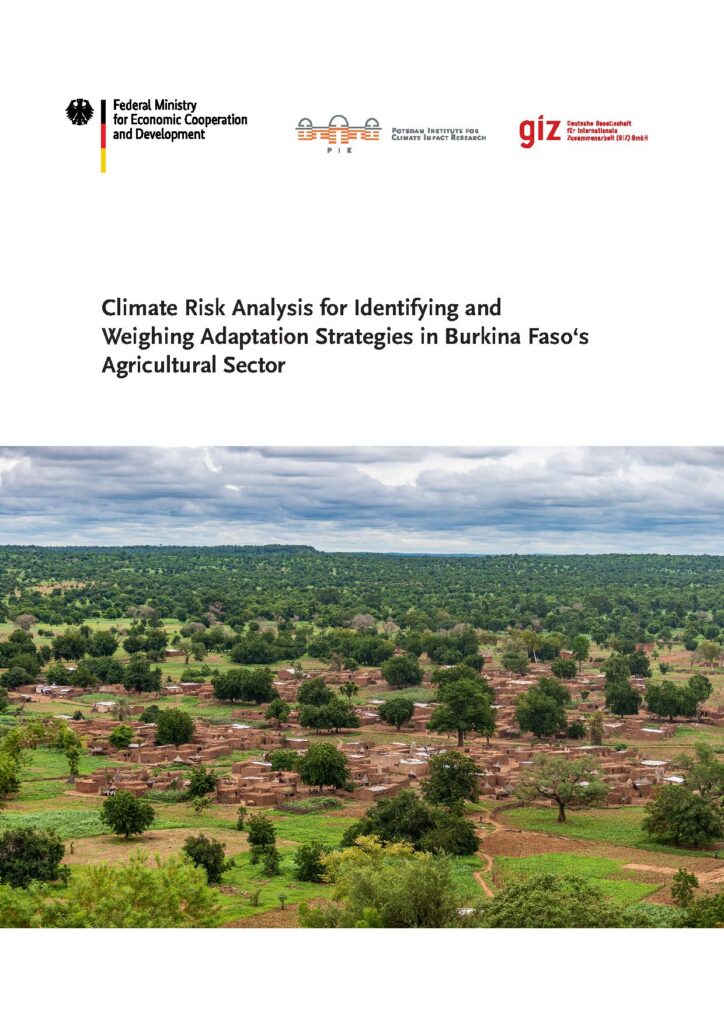
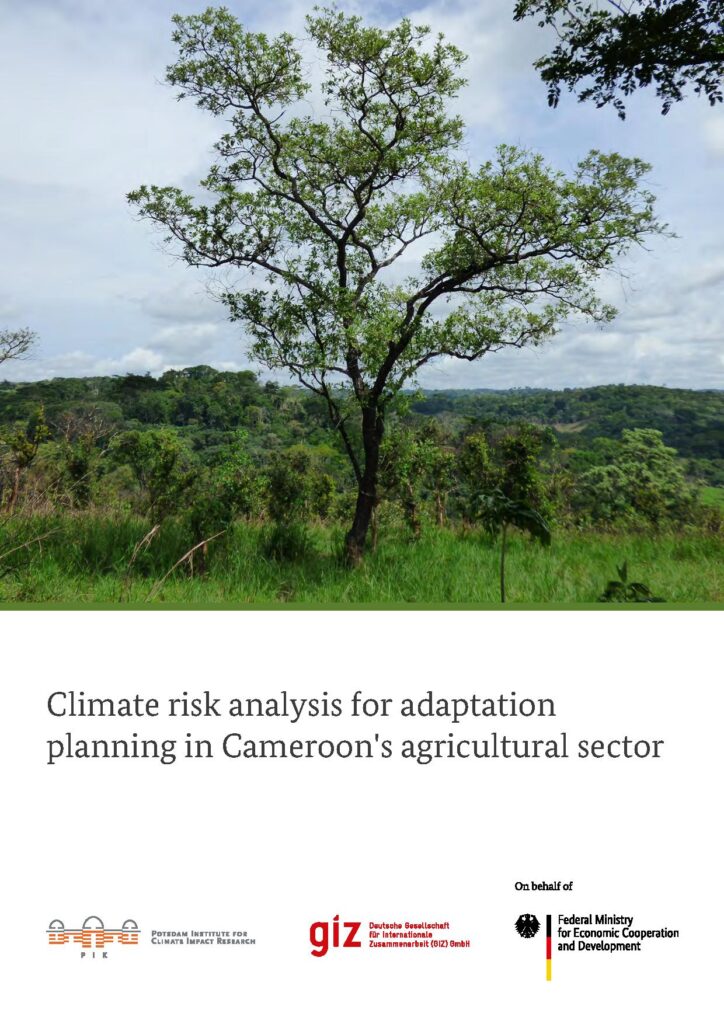
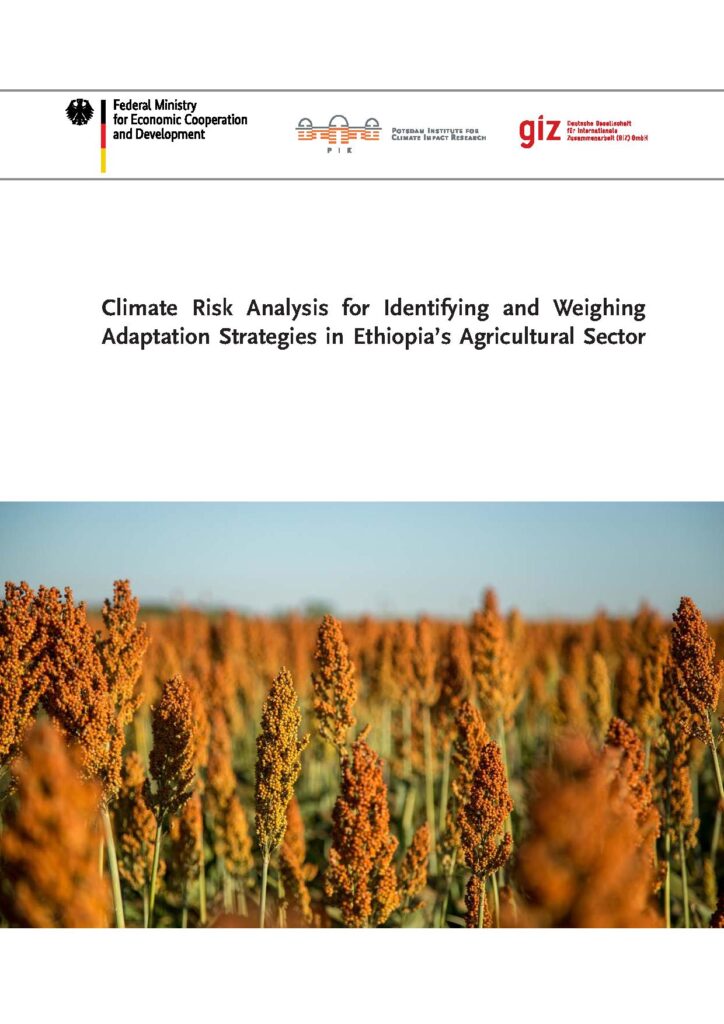
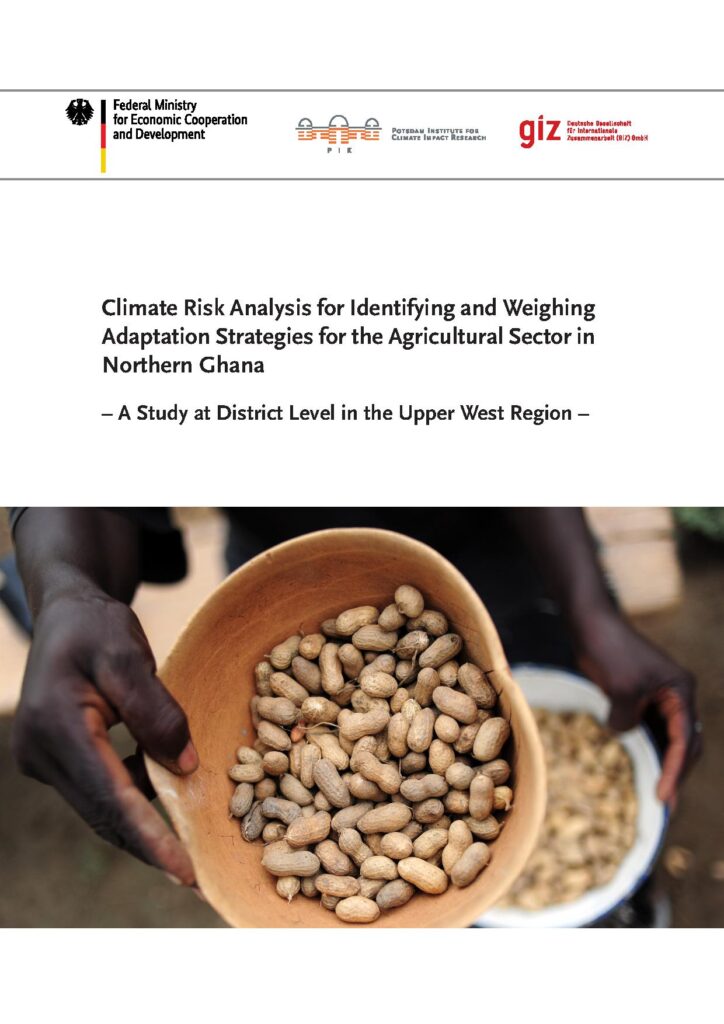
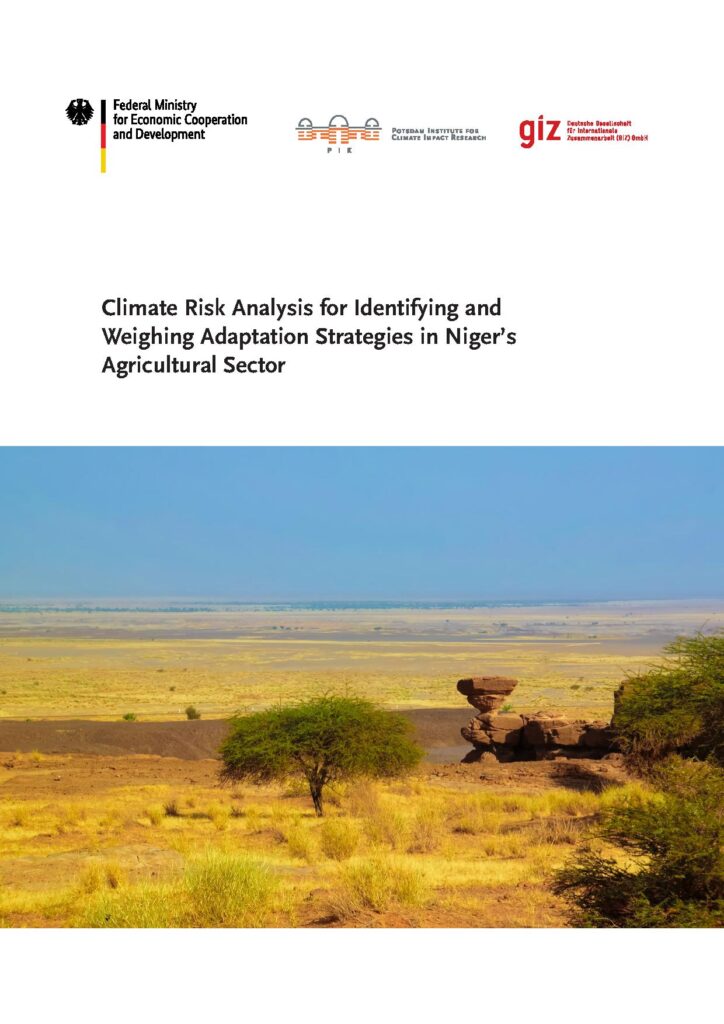
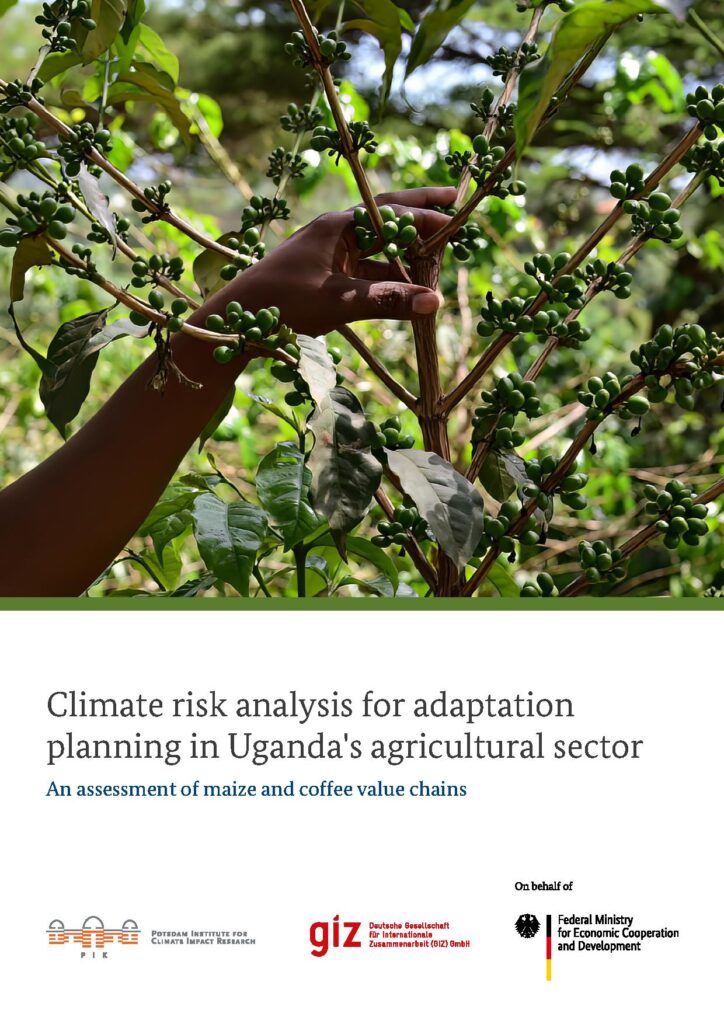
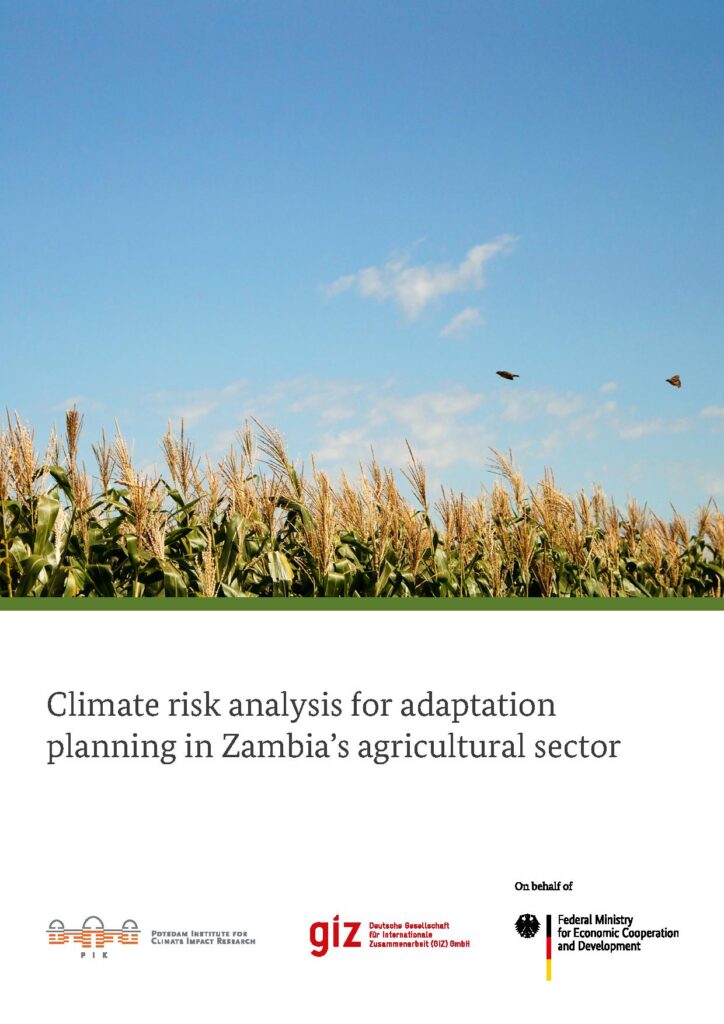
The project produced seven country-specific studies—covering Burkina Faso, Cameroon, Ethiopia, Ghana, Niger, Uganda, and Zambia—each highlighting critical adaptation needs and financially viable strategies to enhance agricultural resilience. The findings support national planning processes and inform donors, investors, and development partners on high-impact areas for adaptation finance.
More information can be found on the AGRICA project website.