 © luchschenF/Adobe Stock
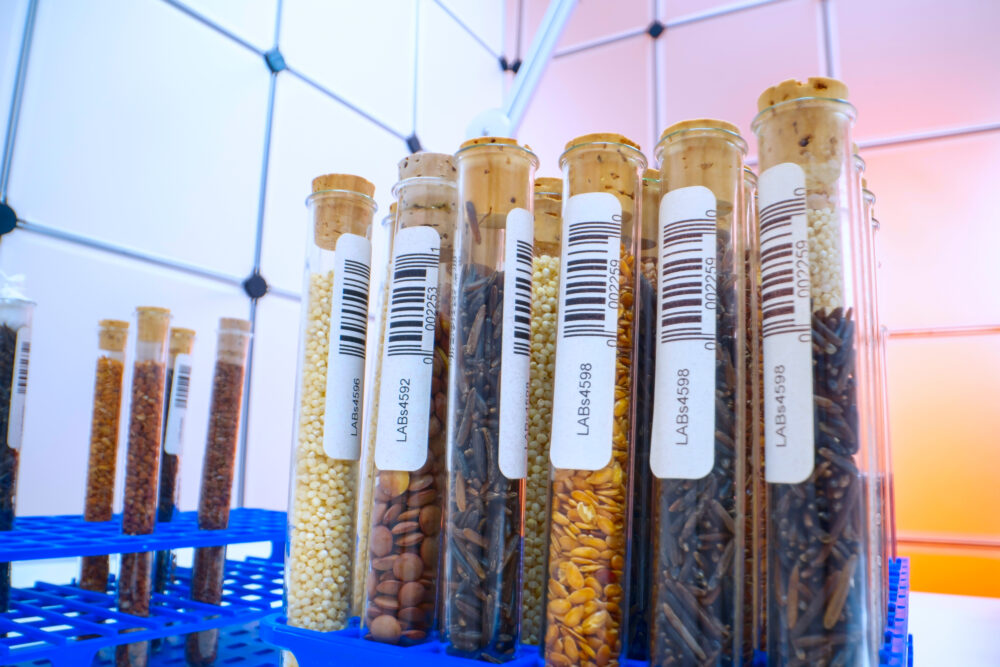
 Protecting plant genetic resources for food and agriculture (PGRFA) is one of the most important requirements for securing a diverse and healthy food supply, as well as for the development of sustainable agriculture that is resilient to shocks and is well adapted to climate change. Therefore, conservation of crop diversity in situ, i.e., on farmers’ fields, and ex situ, i.e., in genebanks, is essential. Smallholder farmers, who produce about a third of the world’s food, play a crucial role in conserving plant genetic resources, yet their needs and priorities are not always reflected in the ex situ conservation strategies pursued by genebanks.
A key global actor in the field of crop diversity conservation, supporting genebanks workldwide, is the Crop Diversity Trust (Crop Trust). HFFA Research was commissioned by the Crop Trust together with Deutsche Gesellschaft für Internationale Zusammenarbeit (GIZ) to assess the needs and develop strategies to strengthen smallholder farmers in the ex situ PGRFA conservation process within their joint project ‘Strategic Development of the Crop Trust’. Specifically, the project seeks to identify how genebanks can address the needs of marginalized groups (women, youth, Indigenous people) within the smallholder farming sector and let them share the benefits of conservation, while also prioritizing a stronger focus on adaptation to climate change.
Through a rigorous investigative process, involving in-depth interviews with pivotal stakeholders, our research investigated how the role of marginalized groups can be strengthened with respect to ex situ conservation of plant genetic resources. The study not only presents a synthesis of findings but also delineates best practices and strategic recommendations aimed at enhancing the alignment of conservation efforts with the specific needs of these marginalized groups.
The main findings of the study are: